
By Gracie Lake, JONAH Intern
At 17 years old, he was too young and inexperienced to lead. At 65, she was told she was too old to learn new skills. We spend every day of our lives aging, yet our society has created this idea that age-based bias is normal and acceptable. Truth is, ageism is a major barrier for many individuals. Ageism accounts for how we think, how we feel, and how we act towards others based on their age. It is the only “ism” that everyone is expected to experience at some point in their life, yet it is one of the last that we try to dismantle.
Ageism affects the experiences of individuals both older and younger, by creating systemic barriers that limit access to opportunities such as housing, healthcare, and social participation. You may have seen ageism pop up in media or daily life, such as in commercials or birthday cards, but it doesn’t stop there. Ageism plays a role in how we design cities and fund services. In the Chippewa Valley, ageism can be seen through barriers to “age in place”. Our community has limited accessible housing, and with public transit on the line, it leaves opportunities even more limited, especially for our older adults. Ageism has major impacts on individuals of all ages. It reduces independence and dignity of a person. It also brings about mental health risks such as isolation or depression. These outcomes don’t happen by accident, they are reinforced over time through the messages we consume.
From a young age, youth are often taught to associate older adulthood with being “dependent” or “frail”, influencing them to develop these biases. Society uses ageist language through jokes and fear-based messaging. For example, many people talk about aging in terms of illness or loss, which is an experience that can take place at any age. Research suggests that children learn ageist behaviors and attitudes as early as 3-4 years old.
These beliefs are not fixed. If we shift the narrative, we will find that most older adults are active, capable, and independent.
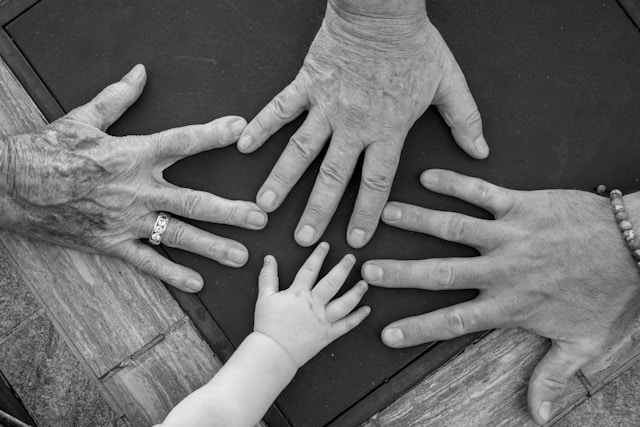
To challenge this, we must shift how we think and act. As a society, we can speak up against these stereotypes, by highlighting positive aging and shifting the narrative from “decline” to “growth” and from “weakness” to “knowledgeable”. We can include older and younger voices in all areas of life. We can also encourage the use of respectful language. When considering how we portray older adults to youth, we can create a more realistic image by showing positive images of aging and encouraging intergenerational connections.
Every age has value in our society—are you willing to see it?
My personal interest in the topic of gerontology stems from my experiences with older adult death. When my grandpa was dying, there was an individual in the room who walked my family through each stage of the dying process, which made the difficult situation a lot easier for my family. I found it so intriguing that one individual being knowledgeable on the death process could make such a profound impact.
A few years later, when I came to college, I quickly realized I wanted to pursue social work. When I discovered that the social work department offered courses on aging and death, I was immediately drawn to them. To this day, they have been some of the most meaningful classes I have taken.
Last year, when my grandma died, I noticed a shift in myself. I found myself more comfortable sitting by her bedside, even when she was unable to open her eyes or speak. I held her hand and reminisced our memories together. I found these final moments with her extremely difficult yet so beautiful. She was ready to die, and openly expressed that for months but many of my family members struggled to accept that. While I, on the other hand, felt a sense of peace. This reinforced my belief that understanding aging and death can have a profound impact, not only in my own life but also those around me.